So here we are, a few months after my first post about our garden transformation. We’re several steps closer to the garden of our (my) dreams, though we still have quite a bit of work left to do.
My husband has been diligently working, in between the ever-growing list of in-home renovations (does the incessant breaking of things/maintenance thereof ever end?) and the needs of family.
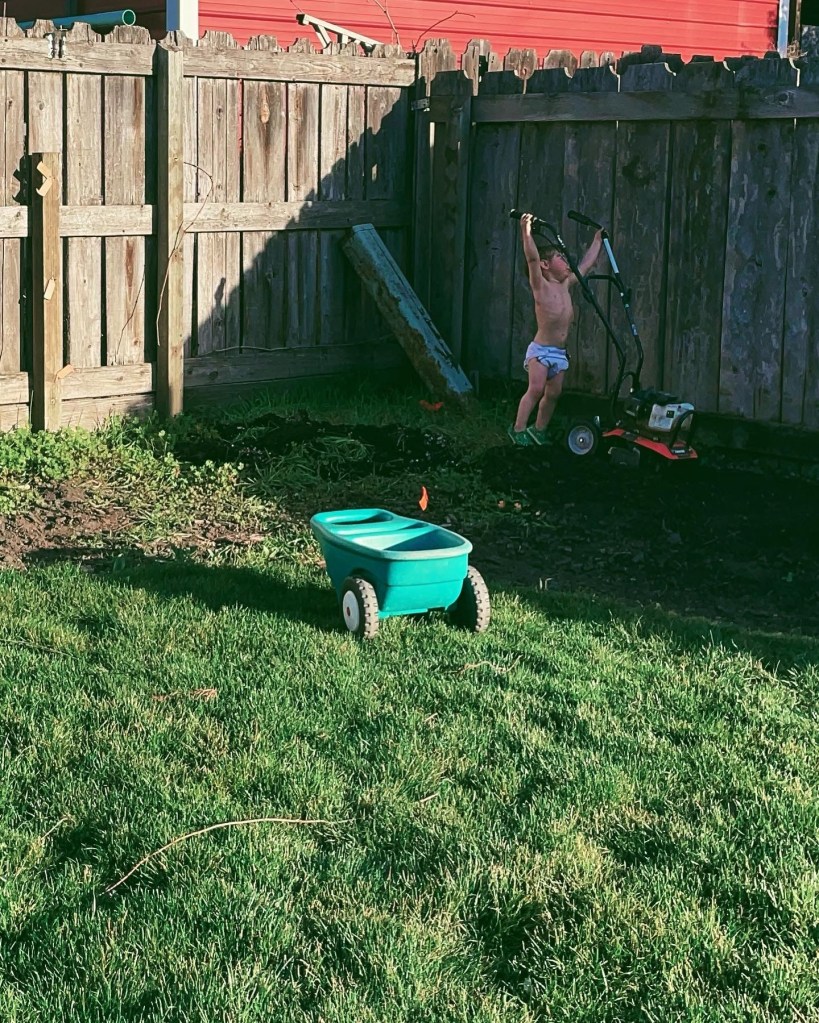
My two-year-old son “helping” dad break up some of the clay soil.
To date he has: torn down the small fence/grass border, pulled out the two sad fruit trees (we decided not to save them because of location/lack of actual fruit/the amount of pruning that needed to so be done), moved the enormous rosemary bush into a pot in the front yard, enlisted the help of his cousin with a tractor to dig up all the old plants/root systems that still remained, and contacted a local company about bricks to build our retaining wall-style raised bed. ALL while working full time and being an active father. Talk about a busy body!
On top of that, he has also planted a free-stone peach tree , and moved all the big stones from the back into my small Outlander-inspired standing stone fairy circle in the front lawn. Oh! And let’s not forget the PVC pipe grow light suspension rig he built for me inside our house (I’m seriously such a lucky wife, thanks babe).
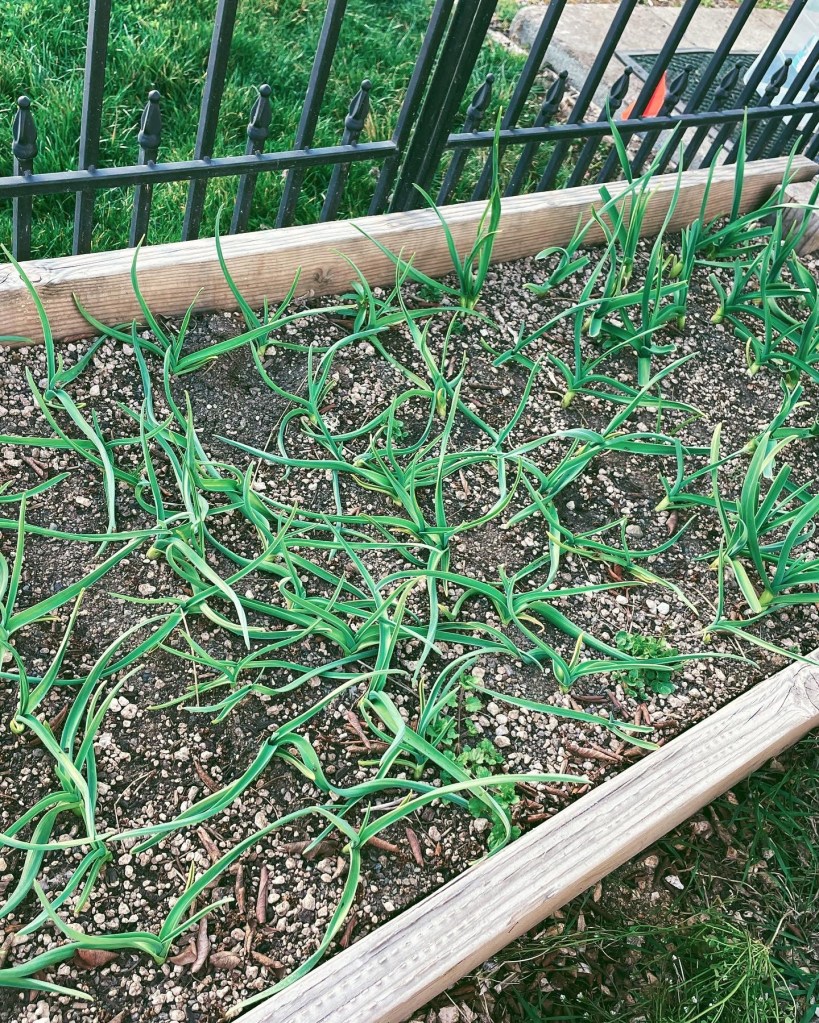
Garlic scapes from the bulbs I planted last fall, in one of our old wooden beds we moved with us.
My contribution to the project has been to start seeds and buy more plants, plan the garden layout, and food preservation/meal plans for the coming harvest seasons, and to be helpful where I can be (which mostly involves child rearing and keeping the other parts of the household running).
We are making so much progress!
We still need to: purchase our bricks and build the raised bed, purchase soil, lay everything out, and plant, Plant, PLANT!
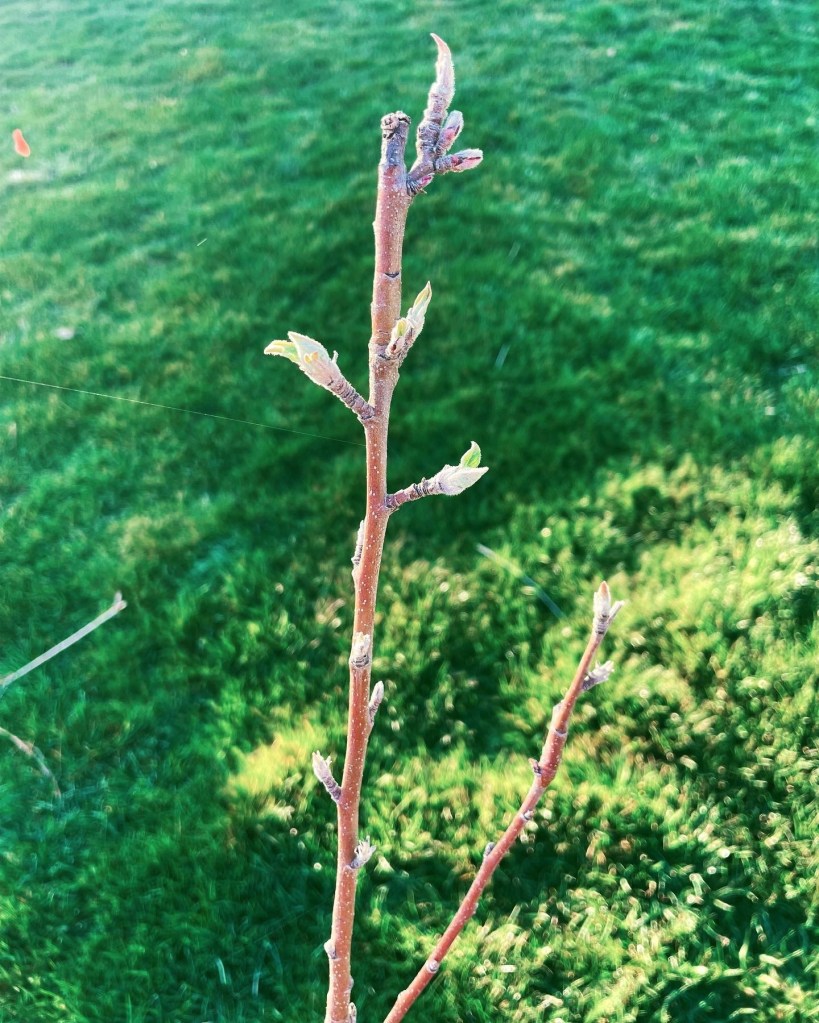
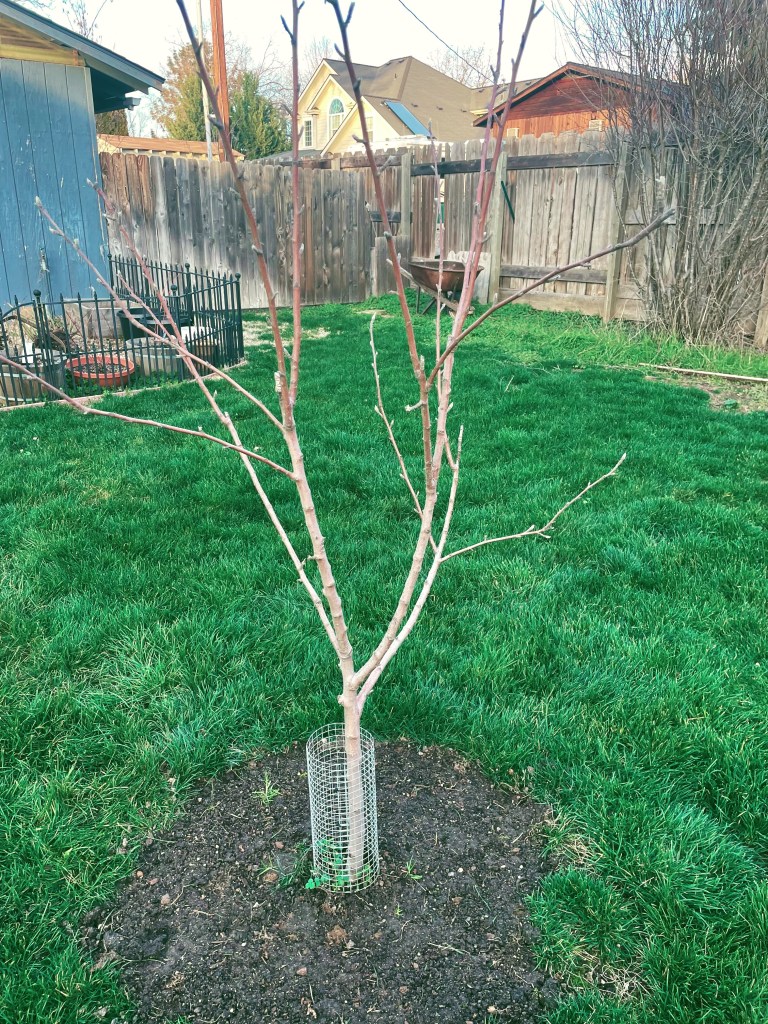
Happy snappy new buds on the apple tree in its “Forever Patch of Dirt”
A few years ago I bought a Fuji apple tree at the farmer’s market. It was a strange purchase at the time because I had no idea where I was going to plant it. Our living situation was temporary, but I was desperately searching for the permanence that a fruit tree demands. So I carted it home with me.
At the time my family and I were living in a renovated fifth-wheel on my husband’s family’s property. We were hoping to stay on the land indefinitely, seeing as my husband would be inheriting it someday. But the house was old and had never been adapted to the present-day. There simply wasn’t enough infrastructure for us to safely put down our roots.
I was told by the sales lady at the market that the tree could probably survive another year in the pot it was in, but it definitely would need to be put in the ground the following winter. Funny enough, this apple tree and I seemed to be on the same time line. I too needed to be somewhere more invariable than the little metal box I was living in. And it seemed to be all I could focus on.
We tried so hard to force ourselves into that hard clay mountainside. We came up with plans on how to build onto the house to accommodate us; we wrote notes, drew pictures, tried to find costs. We looked at everything we would need to do to make the land and dwelling big enough and healthy enough for all of us.
We planted the tree; we protected it’s roots from gophers; we built a deer fence; we mulched.We diligently dragged a hose up the side of the hill to water the poor dear on a regular basis. We did our best.
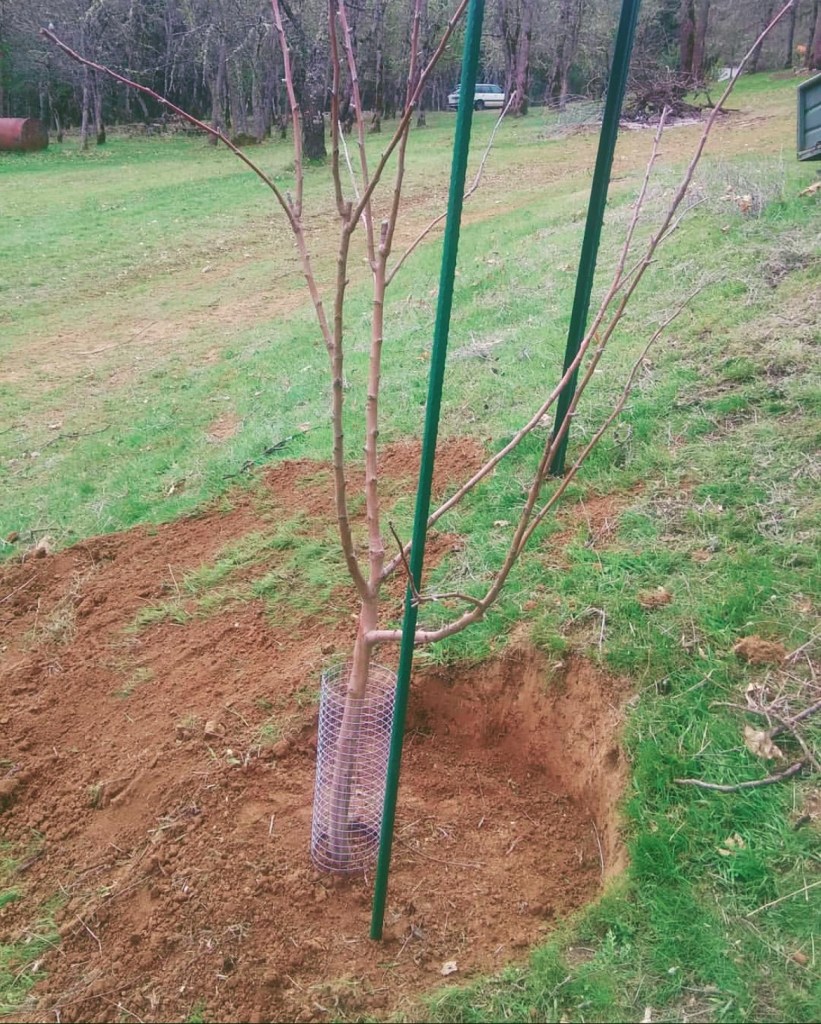
Our little tree in its First Patch of Dirt…
But it became apparent that the land wasn’t going to support us. The well was running dry, the power that ran to the house couldn’t sustain two households, the space began to feel too crowded, and at the end of the day, it wasn’t ours yet. Nor would it be for quite some time. So when things came to a boiling point, we packed up our fifth-wheel house, along with most of our belongings, we dug up our silly little apple tree, placed once again in a pot (a large one this time), and we parked ourselves on my parent’s property.
This time we had a plan; we would buy a house. We wouldn’t try to grow in a space that was already full of too many other oaks and pines. We needed to find our patch of earth, that was big enough and bright enough for us.
We moved at the end of January. We stayed in our new space longer than we had planned. It only took a few months to find our forever house; we made an offer, started the buying process. But goodness, was it a long season for me! The house had renters which slowed everything down significantly. It wouldn’t be until August that we could finally move into our new home. Our apple tree sat in its pot on my parents’ deck; leaves grew in abundance but the poor, traumatized thing didn’t bear fruit. Who could blame it? I myself hadn’t been blossoming for quite some time.
But then, finally, we moved in.
This home we bought has seen some years, it has some age lines in the paint and on the floors. It has an outdated kitchen, it has only one bathroom. But it has enough room for us: for my husband and the children and the cat and I. It has enough water and it’s bright enough, and goodness knows it has plenty of dirt and space to grow. And the soil is healthy.
Two days ago we planted our little apple tree in its forever patch of dirt. We dug out the hole, we placed our tree inside, we patted the dirt down around it. We joked with our tree: “Will we have to dig you up again? Will we have to move you again?”
And when no one was looking, I went back to the tree. “No,” I said. “Here is good. Here is where we’ll all stay.”
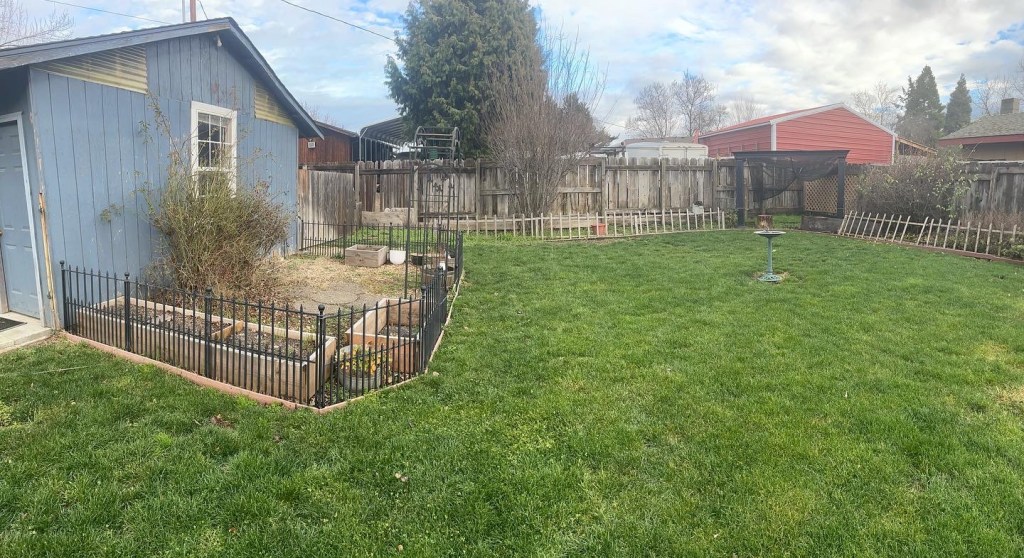
When we first bought our house we were perhaps underwhelmed by the home itself, and instead we were enthralled with the two two-car garages (one for me, one for him), and the YARD. We’re definitely city dwellers now, but our house sits on a .19 acre lot, and considering the house is only 1,000 square feet, most of it is YARD.
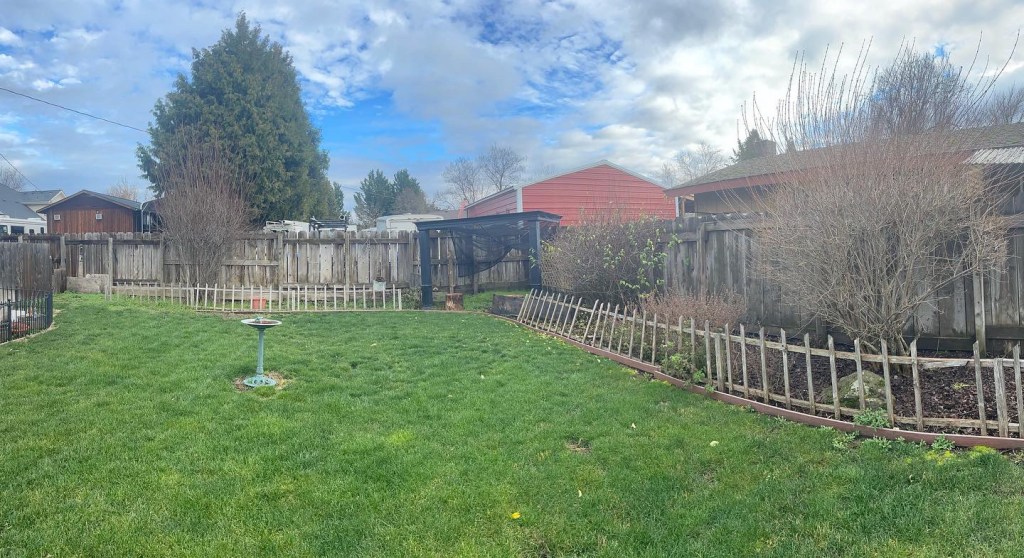
There is a large green lawn and even an alcove for chickens, and a three-foot-wide border that runs across most of the fence line. Hello, veggie garden!!
The only problem is, it needs A LOT of TLC. The plants currently residing in the border bed are overgrown and not useful, so most of them will need to be evicted.
With exception of: the plum tree and the apple tree that are both in sincere need of pruning (and that’s an understatement; clearly they have never met a pair of clippers in their lives), and the grand Rosemary bush, that at one time lived in a terra cotta pot, but burst forth from its confines and rooted in the soil below.
The lemon balm bushes I will re-home into pots to better contain their spread. And, if I can convince my husband to allow me to train them, the black berry bushes will be trellised along the fence line. Other than that. ALL MUST GO.
Our plan is to remove the tiny (ancient and leaning) wooden fence that marks the boundary between bed and lawn, and replace it with a low cement block wall, essentially turning the whole thing into a raised bed.
It will be so much work, and it’s already January… Planting for winter crops begins in March, summer begins Mid-May… Wish us luck…
I am an avid reader. My house is overflowing with books of all kinds. And while a lot of information can be found online, there is something about physically holding words in my hand that makes them seem a little more important.
I have read my fair share of “going green” books, e-books, magazines, et. centers, and I have created a short list of a few of my favorites that will hopefully inspire you as well:
The first on my list is Harriet Fasenfest’s “Householder’s Guide to the Universe”. Harriet is one of my greatest idols, my true “who I want to be when I grow up.” She is a backyard homesteader who lives in the city Portland, Oregon. She is also a self-proclaimed grump who spends her days gardening and cooking, or canning and napping, I have taken so much wisdom from her book. Complete with a planting guide and recipes, “Householder’s Guide” is a month-to-month planner of sorts that walks you through the to-do list for each month in the kitchen, the garden, and the home. Her unique perspective and way with words make this book a page turner. She also includes many references in the margins for further reading, a few of which I have added to my library (the complete works of Wendell Berry among them).
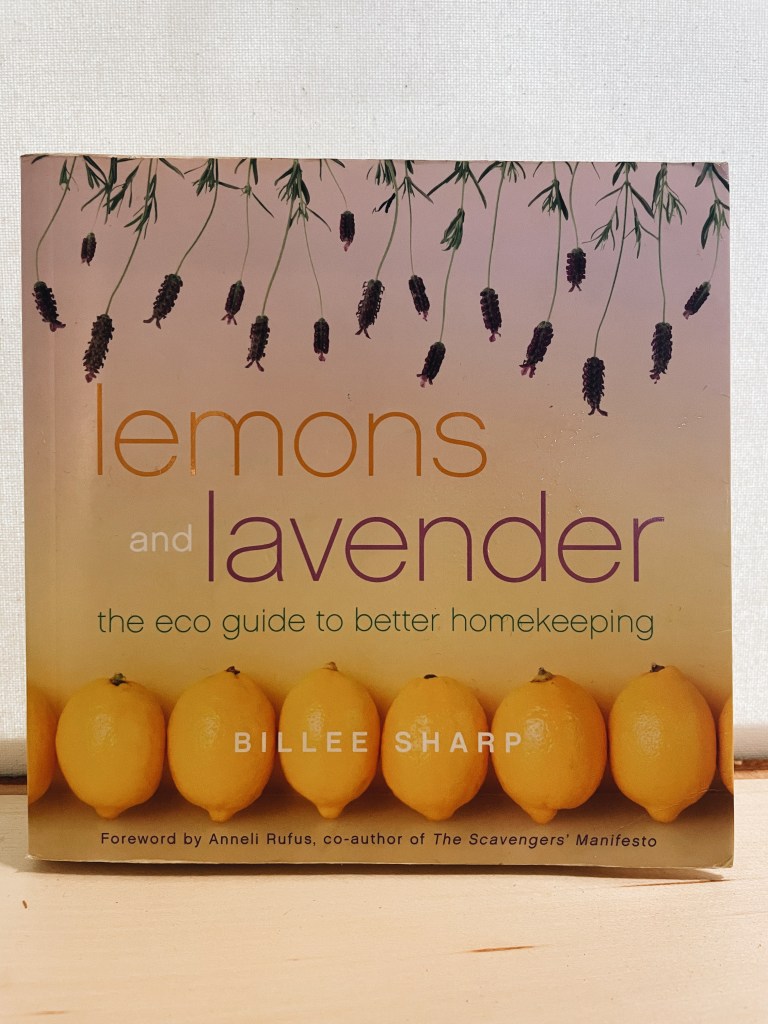
Next comes “Lemons and Lavender” by Billie Sharp. Written like a how-to, I read it like a novel. It was the very first book I read about becoming more eco friendly and it has been a consistent reference guide ever since. It gives instructions on everything from making a sourdough starter to dying fabric with leaves and the sun.
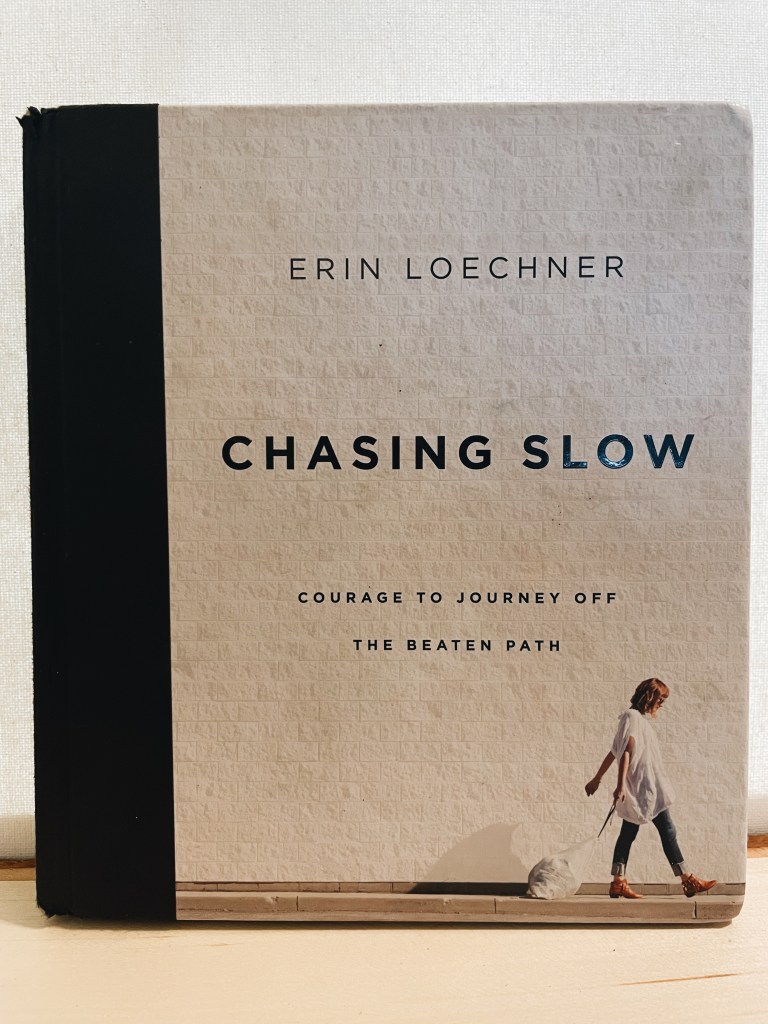
Third is “Chasing Slow” by Erin Loechner. This book is a true gem that I have turned to several times when I feel like my life is moving at a faster pace than I can keep up with. Filled with painfully honest anecdotes that are almost stand-alone poems, she retells her painful falls from the proverbial grace of being internet famous, while learning the hard way that life is not sustainable if lived at break-neck speed. Hers is a true success story for those who need a push to step away from the rat race, in order to become a more whole individual.
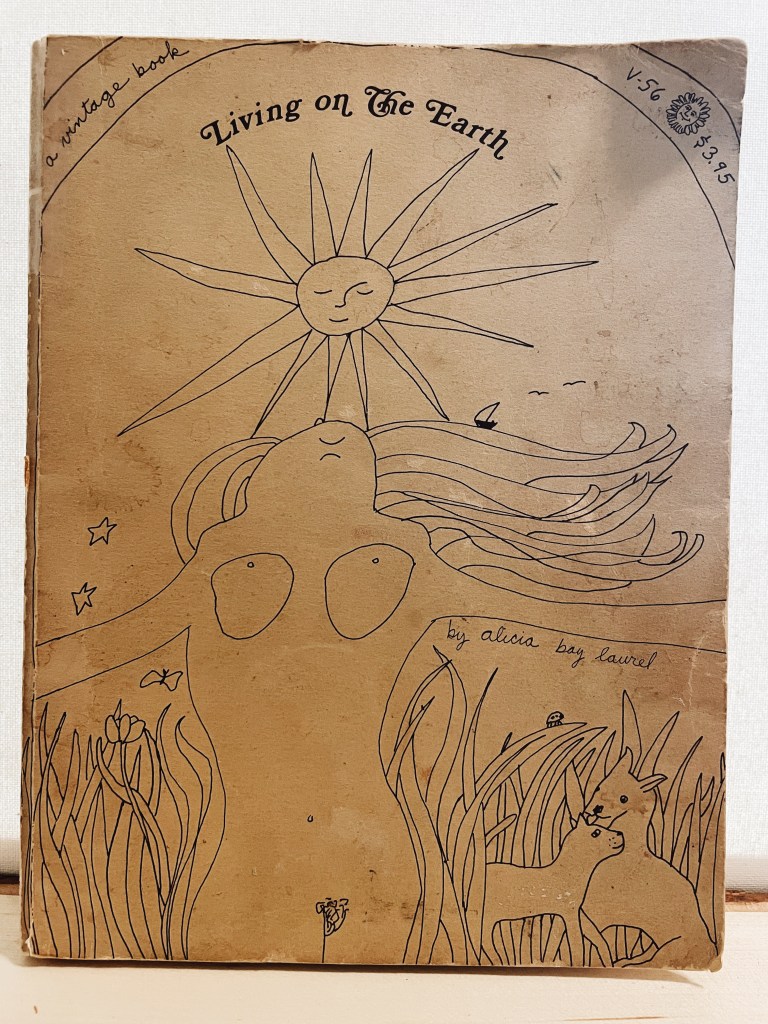
“Living Off the Land” by Alicia Bay Laurel. Half instruction manual for living in harmony with nature/ half hand-illustrated picture book (where most of the humans depicted are nude), this book is a call to the wild of the most natural kind. Definitely written in the 70’s, it contains a myriad of useful information. It’s entertaining, and beautiful in its own way, and sits proudly on my shelf of go-to prepper guidebooks for when SHTF. It will also be the blueprint for my hippie commune (anyone want to join?).
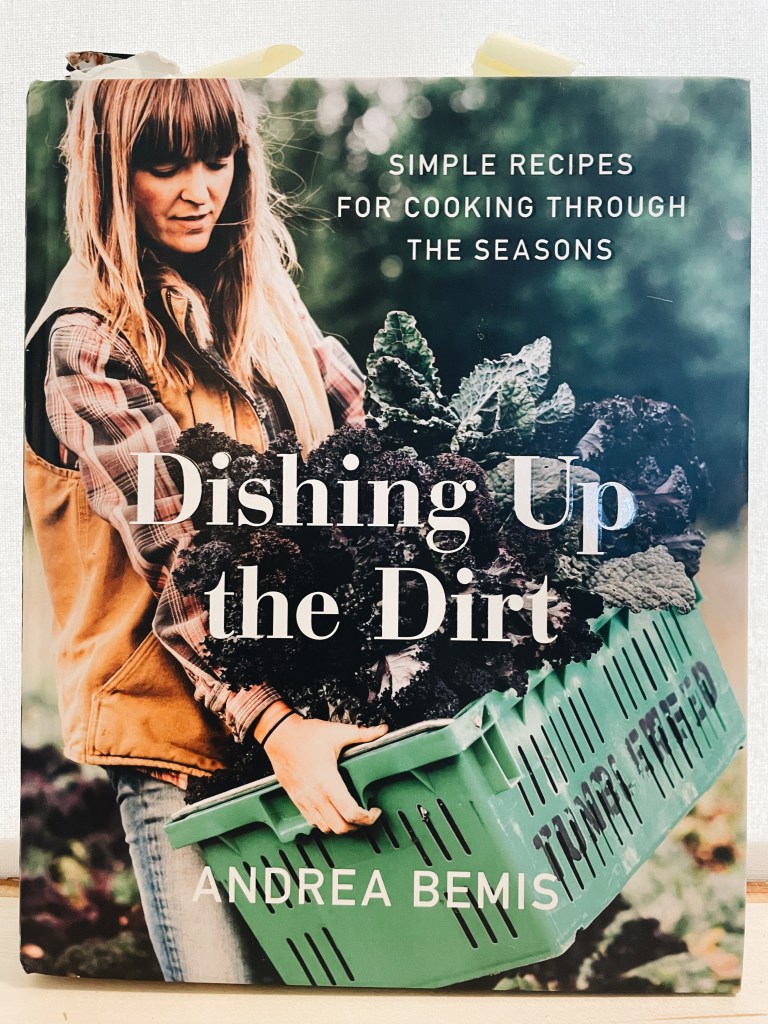
“Dishing Up the Dirt” by Andrea Bemis. Yes it is a cookbook: A lovingly created and beautiful photographed cookbook written by a couple whose farm (Tumbleweed Farm) resides in the Pacific Northwest. The recipes are divided into seasons, and most are plant-based (if you are so inclined). I love the imagery and the anecdotes that accompany each page. It’s encouraging to see what a harvest’s bounty could become, and should become, when your life is ruled by the natural seasons. It challenges one to feel the awe and joy that comes with life that is lived more locally.
There are (of course) a thousand other books that I have been changed and challenged by. These few are the ones that have encouraged me on my journey to natural living. I hope you find encouragement in the words of these women as well. 💖

 By Land or By Sea